Electrical Engineer · AI Researcher
Expert in Power Systems & Distribution
Building intelligence for Indonesia's grid
10+ years in Indonesia's electricity sector. I specialize in power distribution, smart metering, and non-technical loss reduction — combining deep operational expertise with applied research in AI and machine learning.
Passionate about how digital technologies and AI can transform the way Indonesia's electrical infrastructure operates, from theft detection to satellite-based asset inventory.
The current 1:0.65 export ratio penalizes industrial prosumers while grid infrastructure remains underprepared for bidirectional flow. My research on the 21MW Bekasi case showed cumulative consumer loss of -$2,102 over two years under current policy. Indonesia needs dynamic net metering — not a static punitive multiplier.
Indonesia has 40% of the world's geothermal potential but utilizes less than 10%. The baseload stability of geothermal — paired with the right monetization model — could transform PLN's financial position. The EnerBit concept explores one path: using surplus capacity for regulated Bitcoin mining as an intermediate value capture while renewable buildout continues.
30 industrial customers in PLN Bekasi showed mid-peak demand elasticity of -0.3 — meaning they will shift load when the incentive is real. The math works out to 2.59% daily generation cost reduction across the Java-Madura-Bali interconnection. Dynamic pricing isn't complex to implement; it requires political will more than technology.
Countries with unstable fiat — Argentina, Turkey, Nigeria — aren't using Bitcoin as a medium of exchange; they're using it as a hedge against monetary policy failure. Indonesia's fiscal position is stronger, but the principle holds: states that hold Bitcoin early will have structural advantages over those that don't. El Salvador and Bhutan are running the experiment.
Classical Islamic scholars banned guaranteed returns on capital deployment because they distort risk distribution. Bitcoin, as a fixed-supply asset with no guaranteed yield, aligns more naturally with Islamic economic principles than fractional reserve banking. The debate isn't Bitcoin vs. gold — it's about what unit best represents productive economic participation without embedded exploitation.
Electricity subsidies in Indonesia exceed Rp 70 trillion annually, disproportionately benefiting wealthier consumers with larger consumption. A well-designed TOU + targeted subsidy system would be more equitable and fiscally sustainable. The political difficulty is real, but so is the cost of inaction as renewable transition accelerates globally.
Every digitalization wave in utilities builds better visualizations but doesn't close the loop to action. An operator sees a loss anomaly on a dashboard — then what? The next frontier is agentic AI that detects the anomaly, cross-references historical patterns, generates a work order, and notifies the field team — all without a human middle step. OctoAgent is my attempt to build that.
When an AI system makes a wrong recommendation that causes operational loss, who is responsible? The engineer who deployed it, the vendor, or the system itself? Until there are clear frameworks for AI accountability in government-linked companies, adoption will be slow regardless of capability. This is a governance problem before it's a technology problem.
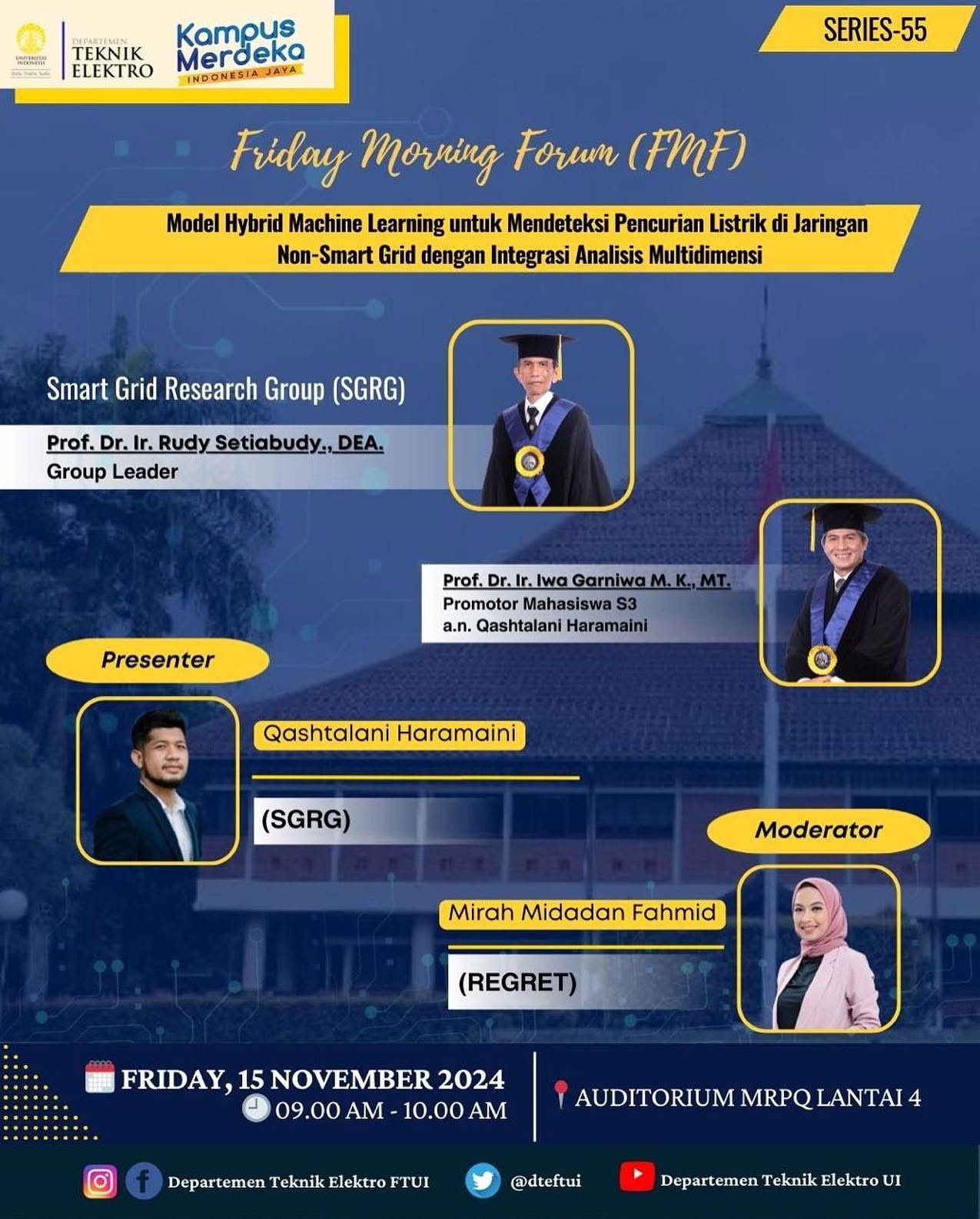
Going from a 15% to 77% fraud detection hit rate wasn't because the model was brilliant — it was because human inspectors were working from intuition and social pressure while the model worked from patterns. ML doesn't get tired, doesn't know the customer personally, and doesn't fear conflict. The lesson: AI outperforms humans most where human judgment is biased by relationships.
Open to research partnerships, AI collaborations, consulting conversations, and anything about Indonesia's energy future.